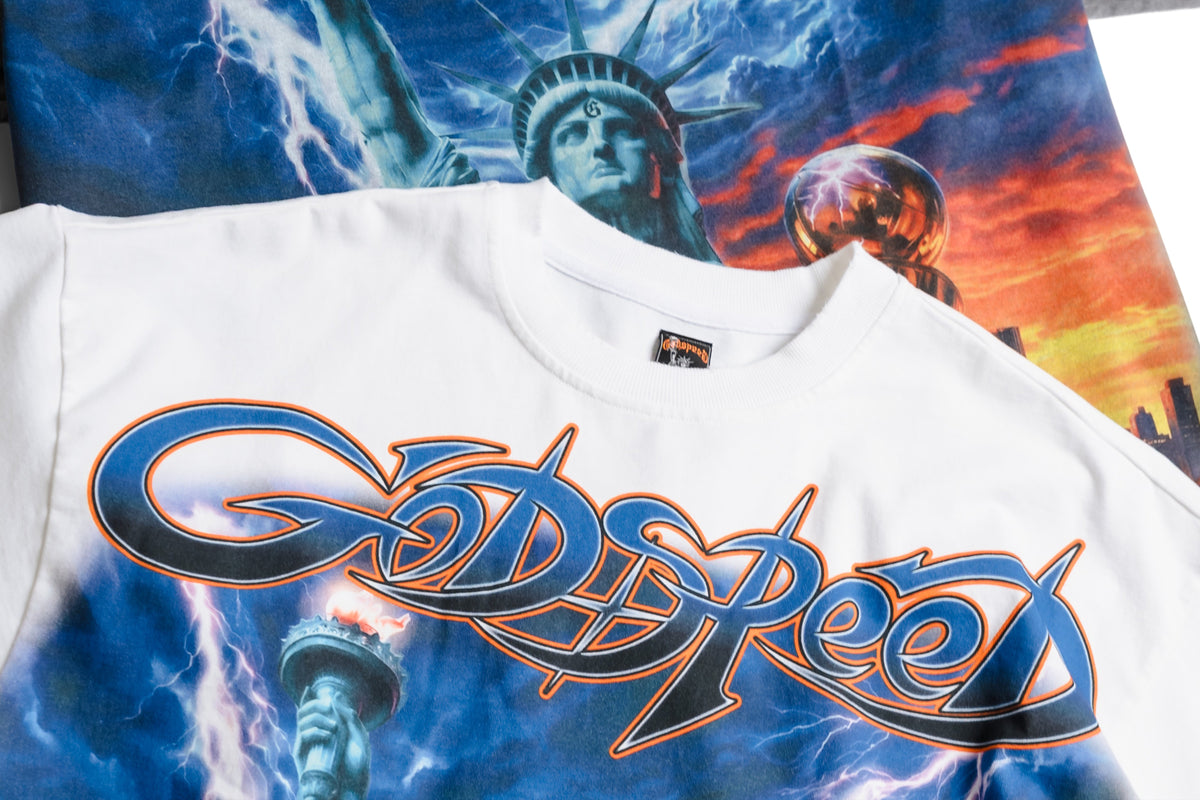
Fashion exhibitions present clothing as more than something worn for everyday activities. Through carefully selected garments, photographs, historical objects, and supporting information, exhibitions explore the ideas and experiences connected to fashion. Visitors can discover how design reflects different periods, communities, and creative movements. Godspeed provides a starting point for considering how streetwear can be understood through the wider world of fashion exhibitions, where clothing becomes a subject for observation, interpretation, and cultural discussion.
A curated exhibition brings selected objects together around a particular subject. The arrangement helps visitors notice relationships between garments, designers, materials, and historical contexts. Some exhibitions focus on a specific period, while others examine a theme such as identity, technology, or popular culture. The selection and explanation of each object influence how visitors understand the overall story. Looking closely at these displays can encourage fashion enthusiasts to pay attention to details that might otherwise go unnoticed during ordinary shopping.
Streetwear has developed through interactions between communities, creative movements, music, sport, and everyday urban life. Exhibitions can help explain these connections by placing clothing alongside photographs, publications, interviews, and other relevant objects. Godspeed Clothing can be considered within this broader conversation about how contemporary streetwear participates in changing fashion culture. Studying a clothing movement in context helps visitors understand that style does not develop in isolation; it reflects the people, environments, and creative influences surrounding it.
Fashion exhibitions provide an opportunity to examine garments carefully and notice their proportions, visible construction, closures, decoration, and overall shape. Instead of looking only at the general appearance, visitors can consider how different details contribute to a design's character. Exhibition labels may explain the purpose or background of a particular feature, helping people connect visual observation with additional information. This habit of looking closely can also improve everyday fashion appreciation by encouraging more thoughtful attention to the clothes people encounter.
Shirts can reveal a great deal about changes in everyday clothing, graphic design, and personal expression. Depending on the exhibition, they may illustrate shifts in silhouette, printing techniques, cultural references, or approaches to casual dressing. A Godspeed Shirt can serve as a contemporary point of comparison when discussing how present-day garments are viewed within broader streetwear conversations. Any comparison should be based on the actual design and available information rather than assumptions about its history or construction.
Shorts can also help illustrate how clothing categories move between different settings and cultural meanings. Their appearance, length, and styling have varied across contexts, reflecting changing expectations about leisure, sport, and everyday dress. An exhibition may use garments, photographs, and written records to explore these developments. Godspeed Shorts can be considered as a contemporary reference when discussing present-day casual clothing, provided the comparison focuses on visible design and avoids assigning an unsupported historical significance to the product.
Accessories often help explain how clothing communicates identity and belonging. Caps, bags, belts, and other items may appear in exhibitions alongside complete outfits or documentary photographs. Their placement can show how accessories interact with garments and contribute to a recognizable visual style. A Godspeed Hat can be used as a modern example in a general discussion of headwear within streetwear, while any specific historical comparison should rely on documented evidence. Considering accessories separately can reveal their role in the overall presentation of clothing.
Photographs and archives help exhibitions place garments within their original context. Images may show how people wore particular pieces, while written records can provide information about designers, events, and cultural settings. Archival material also helps curators distinguish documented facts from later interpretations. Visitors can benefit by reading exhibition captions carefully and considering the source of the information presented. This approach encourages a more accurate understanding of fashion history instead of relying solely on modern assumptions or popular narratives.
The way an exhibition is organized affects how visitors move through the space and interpret the objects. Lighting, display cases, labels, spacing, and the order of presentation all influence the experience. A well-designed exhibition allows people to observe garments comfortably while providing enough context to understand their significance. Digital screens or interactive elements may offer additional information, but they should support the central subject rather than distract from it. Good exhibition design balances visual interest with clear communication.
Visitors can use exhibitions as sources of inspiration without copying historical outfits directly. You might notice an interesting proportion, an unexpected relationship between colors, or the way accessories change the character of a look. Consider why a particular arrangement catches your attention and whether its underlying idea could work in a contemporary outfit. Keeping a few notes after a visit can help preserve those observations. This approach transforms cultural exploration into a useful exercise in personal style and creative thinking.
Fashion exhibitions help visitors understand clothing through historical context, cultural influences, design details, and curated objects. They can reveal connections that are difficult to recognize when garments are viewed individually.
A streetwear exhibition may explore community influences, visual design, changing silhouettes, photography, and the relationship between clothing and popular culture. The subject depends on the exhibition's focus and available material.
Observe the garment's shape, visible details, styling, and accompanying information. Reading labels and considering the context can help you distinguish documented facts from personal interpretation.
Yes. Exhibitions can introduce ideas about proportion, accessories, and visual balance. You can adapt selected principles to your preferences without reproducing an entire historical look.
No. Some explore community clothing, social history, everyday dress, textiles, or specific cultural movements. Their subjects can range from well-known designers to clothing traditions and broader fashion experiences.

Aprende cómo crear un guardarropa urbano que combine con Dandy Hats, usando prendas básicas, colores equilibrados y accesorios versátiles.






Plumbing Guide provides practical plumbing tips, helpful guides, maintenance advice, and easy-to-understand information for homeowners and DIY enthusiasts.