Household plumbing is designed for regular use. When taps, toilets, showers, and appliances remain unused for an extended period, the system can gradually behave differently.
Water normally moves through pipes and drains, helping maintain moisture around seals and traps. Without regular use, some components may become dry or less effective.
This does not usually mean plumbing will immediately fail. However, longer periods without use can create conditions that make small problems more noticeable.
Homes left empty for holidays, seasonal properties, or extended travel can experience these issues. A little preparation before leaving can reduce unnecessary plumbing problems.
One of the most common effects of prolonged water inactivity is the drying of traps beneath sinks, showers, baths, and other fixtures.
These traps normally hold water that prevents unpleasant sewer gases from travelling backwards through household drains. When unused, trapped water can gradually evaporate.
Once the water disappears, smells from the drainage system may become noticeable. The odour can be particularly strong in bathrooms or rarely used utility rooms.
Running water through unused fixtures periodically helps replenish these traps. This simple habit can maintain the water barrier and reduce unwanted smells around drains.
Pipes do not necessarily become damaged simply because water has stopped flowing. However, stagnant conditions can contribute to certain issues, particularly where water remains inside sections.
Standing water can lose its freshness over time, especially in warm conditions. This may contribute to unpleasant tastes or smells when the plumbing is used again.
Older plumbing systems may also be more vulnerable because existing corrosion, mineral deposits, or weakened connections can become noticeable after a long period.
Regular water use keeps the system active and provides opportunities to notice leaks, unusual noises, poor pressure, or other developing plumbing concerns.
Taps, valves, washers, and seals are designed to operate with regular movement. When fixtures remain untouched for months, internal components can become less flexible.
Mineral deposits may also become more noticeable around taps and valves. When someone eventually turns a rarely used tap, the handle might feel stiff.
In older fixtures, this can occasionally result in dripping or difficulty opening and closing the valve. Forcing a stiff fitting can sometimes make the problem worse.
Turning unused taps gently from time to time can help keep components moving. If a fitting remains unusually stiff, professional inspection may be worthwhile.
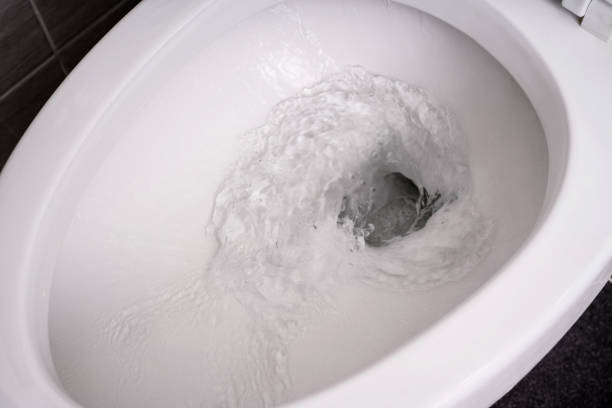
Toilets can also be affected when a property remains unused. The water inside the bowl and cistern may gradually evaporate depending on temperature and ventilation.
Drying can expose certain seals and surfaces to air for longer than usual. In some cases, this may contribute to deterioration, particularly in older toilet systems.
Dust, debris, and mineral deposits can also accumulate around areas that normally receive regular cleaning and flushing.
Before returning to normal use, flushing toilets and checking for leaks can help identify problems. Look around the base and connections for unexpected moisture.
Water heaters can require particular attention after a prolonged period without use. If the property has been empty, the stored water may have remained unused.
Sediment can naturally accumulate inside some water-heating systems over time. Long inactivity does not necessarily cause this sediment, but it can become noticeable afterwards.
When the system is switched back on, unusual noises, temperature changes, or leaks may indicate an existing maintenance issue rather than inactivity itself.
Following the manufacturer's maintenance guidance is important. If the heater has been switched off for a long period, checking it before normal use is sensible.
Unpleasant plumbing smells are often among the first signs homeowners notice after returning to a property that has been unused for weeks or months.
Dry traps can allow sewer odours into rooms. Stagnant water in certain parts of the system may also contribute to unusual smells.
Simply running water through every sink, shower, bath, and rarely used drain can often restore water barriers and freshen the drainage system.
If an odour continues after fixtures have been used normally, there may be another underlying issue. Persistent smells deserve investigation rather than repeated masking.
Preparation can make a significant difference when a property will remain empty. Before leaving, check taps, toilets, visible pipework, and appliances for existing leaks.
Running water through less frequently used fixtures helps ensure traps contain water. Cleaning drains can also remove debris that could contribute to smells later.
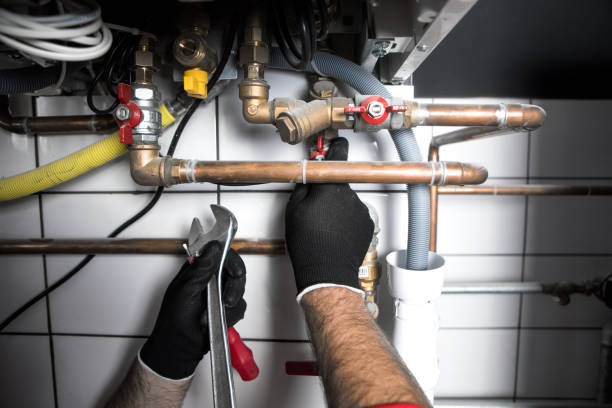
For longer absences, homeowners may consider shutting off the main water supply, particularly if the property will be unattended for an extended period.
However, the correct approach depends on the plumbing system, heating arrangements, appliances, and weather conditions. Professional advice can be useful for longer periods away.
When returning after a long absence, avoid immediately assuming everything is working normally. Start by checking visible pipes, taps, toilets, and appliances for signs of leakage.
Turn taps on gradually and allow water to run for a short time. Listen for unusual noises and watch for unexpected changes in pressure.
Flush toilets and run showers while checking surrounding areas for moisture. Pay particular attention to connections underneath sinks and around appliances.
If you notice persistent smells, leaks, discoloured water, unusual pressure, or strange sounds, arrange an inspection before the problem becomes more serious.
Regular use is one of the simplest ways to keep household plumbing functioning properly. Even rarely used fixtures benefit from being operated occasionally.
Running taps, flushing toilets, and using showers or baths helps maintain water traps and gives homeowners opportunities to identify developing problems.
Properties that are regularly left vacant may benefit from a simple plumbing maintenance routine. This can include inspections, leak checks, and appropriate seasonal preparation.
Long periods without water use do not automatically damage plumbing. With sensible preparation and occasional checks, homeowners can reduce the likelihood of unpleasant surprises.

This post has been authored and published by one of our premium contributors, who are experts in their fields. They bring high-quality, well-researched content that adds significant value to our platform.












Plumbing Guide provides practical plumbing tips, helpful guides, maintenance advice, and easy-to-understand information for homeowners and DIY enthusiasts.