Heating and cooling systems have become more sophisticated, and homeowners are increasingly looking beyond basic temperature control when choosing HVAC services. Energy efficiency, smart thermostats, indoor air quality, heat pump technology, and new refrigerant standards are influencing residential HVAC decisions in 2026.
For homeowners planning a new installation, replacement, seasonal maintenance, or major repair, selecting the right professional is just as important as selecting the equipment. A qualified contractor can evaluate the home's requirements, explain available options, and help ensure the system operates safely and efficiently.
An HVAC system is a collection of interconnected components. The thermostat, ductwork, indoor unit, outdoor equipment, electrical connections, airflow, and refrigerant circuit all contribute to overall performance.
A problem in one area can affect the entire system. For example, inadequate airflow can make an otherwise efficient air conditioner work harder, while incorrect equipment sizing can contribute to poor comfort and excessive cycling.
A professional evaluation can identify these issues before they become expensive problems. Instead of simply replacing a failed component, a technician can consider the condition of the complete system and recommend an appropriate solution.
Price is an important consideration, but it should not be the only factor when comparing HVAC companies. A low initial estimate may not include everything required for a safe and complete job.
Homeowners should ask what equipment, labor, warranty coverage, testing, permits, and additional services are included. It is also useful to ask whether the contractor evaluates ductwork, airflow, electrical requirements, and system compatibility before recommending replacement equipment.
For homeowners researching an HVAC contractor Mundelein, local experience can also be valuable. A contractor familiar with the area's residential properties and seasonal weather patterns may be better positioned to discuss practical heating and cooling requirements.
One of the most important HVAC developments in 2026 is the transition toward lower-global-warming-potential refrigerants.
According to the U.S. Environmental Protection Agency, new residential air-conditioning and heat-pump systems are subject to lower-GWP refrigerant requirements, and new systems installed after the applicable compliance dates must meet those requirements.
This change means homeowners replacing older equipment should ask contractors about the refrigerant used by proposed systems and whether the equipment complies with current requirements.
The transition also makes professional installation particularly important. New refrigerants can require equipment and components specifically designed for their properties, meaning older-system assumptions may not apply to newer HVAC technology.
Smart thermostats are another growing trend in residential HVAC. Modern connected controls can allow homeowners to adjust temperatures remotely, establish schedules, monitor energy use, and respond to occupancy patterns.
The U.S. Department of Energy notes that smart thermostats can adjust temperatures based on occupancy or activity and provide more sophisticated control than traditional programmable thermostats.
However, installing a smart thermostat is not always as simple as replacing an older control. Compatibility with the heating and cooling equipment, wiring configuration, power requirements, and system type should be verified before installation.
A knowledgeable HVAC professional can determine whether a particular thermostat is appropriate for the existing system.
When replacing an HVAC system, bigger does not necessarily mean better. Equipment should be sized according to the home's heating and cooling requirements.
An oversized air conditioner may satisfy the thermostat quickly but cycle too frequently, potentially affecting humidity control and comfort. An undersized system may struggle to maintain the desired temperature during periods of extreme weather.
Contractors can consider factors such as home size, insulation, windows, building orientation, ductwork, and local climate conditions when determining appropriate equipment capacity.
Correct sizing is therefore an important part of achieving the efficiency advertised by modern HVAC equipment.
Heat pumps are another technology receiving increasing attention in the residential HVAC market. Unlike conventional systems that rely on separate equipment for heating and cooling, heat pumps can transfer heat to provide both functions.
The U.S. Department of Energy identifies cold-climate heat pumps and advanced controls among areas of ongoing HVAC technology development.
For homeowners considering a heat pump, climate, existing heating equipment, insulation, electrical requirements, and system design should all be evaluated. A heat pump may be an excellent option for one property but require a different configuration for another.
Comfort involves more than temperature. Indoor air quality has become a growing consideration for homeowners evaluating HVAC improvements.
Depending on the property, options may include upgraded filtration, humidity control, ventilation, or other air-quality technologies. The right solution depends on the home's existing equipment and specific conditions.
A professional assessment can help homeowners determine whether an air-quality upgrade is beneficial rather than adding equipment that provides little practical value.
Before scheduling major HVAC work, homeowners should ask several practical questions:
Clear answers can help homeowners distinguish between a comprehensive HVAC proposal and a basic equipment-only estimate.
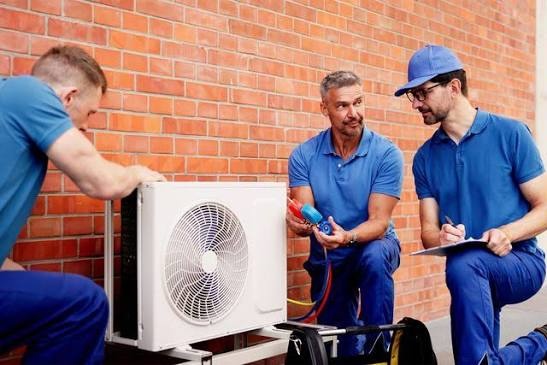
Even the most advanced HVAC system requires maintenance. Filters should be replaced according to manufacturer recommendations, outdoor equipment should remain clear of debris, and professional inspections can identify developing issues.
Routine maintenance can also help technicians identify airflow restrictions, electrical problems, refrigerant-related issues, and worn components before they result in major breakdowns.
A maintenance plan should therefore be viewed as part of the system's long-term ownership strategy rather than an unnecessary additional expense.
The HVAC industry is changing quickly. Lower-GWP refrigerants, connected controls, advanced heat pumps, and improved efficiency technologies are giving homeowners more options than previous generations had.
That makes professional guidance increasingly valuable. The right contractor should be able to explain technology clearly, evaluate the home rather than simply sell equipment, and provide installation or repair work that meets current requirements.
For anyone searching for an HVAC contractor Mundelein, the best choice is not necessarily the company offering the lowest quote. Look for a contractor that combines technical knowledge, transparent recommendations, appropriate equipment selection, quality installation, and dependable ongoing service.
A thoughtful approach can help homeowners achieve better comfort, energy performance, and reliability while keeping pace with the HVAC technologies shaping residential heating and cooling in 2026.

This post has been authored and published by one of our premium contributors, who are experts in their fields. They bring high-quality, well-researched content that adds significant value to our platform.










Plumbing Guide provides practical plumbing tips, helpful guides, maintenance advice, and easy-to-understand information for homeowners and DIY enthusiasts.