Air trapped inside household water pipes is a common plumbing issue that can affect water flow, pressure, and the sounds coming from your taps. It usually happens when air enters the plumbing system.
Under normal conditions, water should completely fill the pipes supplying your kitchen, bathroom, utility room, and other areas. However, pockets of air can sometimes become trapped inside bends, high points, or fittings.
These pockets may remain unnoticed for some time. When water moves through the system, the trapped air can create unusual noises, irregular pressure, spluttering taps, or inconsistent water flow throughout the home.
Air can enter household plumbing systems for several reasons. One common cause is when the water supply is temporarily interrupted, allowing air to enter pipes that would normally remain completely filled.
Maintenance work, repairs, leaks, or changes to the mains supply can also introduce air. When the water supply returns, air may become trapped instead of leaving through the normal outlets.
In some properties, air enters through plumbing connections, faulty valves, or sections of pipework that are not correctly installed. Older systems may be particularly vulnerable because components can deteriorate over time.
Air naturally moves upwards because it is lighter than water. This means it can collect at high points within pipework, particularly where pipes rise, bend, or change direction unexpectedly.
If a pipe contains a section that slopes upwards before dropping again, air can gather at the highest point. Water may continue flowing underneath without removing the trapped pocket.
Poor pipe installation can make this problem more noticeable. Incorrect gradients, unnecessary bends, or poorly positioned fittings can create areas where air remains trapped instead of travelling towards an open tap.
When trapped air starts moving through a plumbing system, it can cause noticeable changes in how water behaves. You might hear bubbling, knocking, rattling, banging, or vibrating sounds.
The air pocket may compress as water pressure increases. When the compressed air suddenly moves, it can create a brief surge or disturbance that affects nearby pipes, valves, and fixtures.
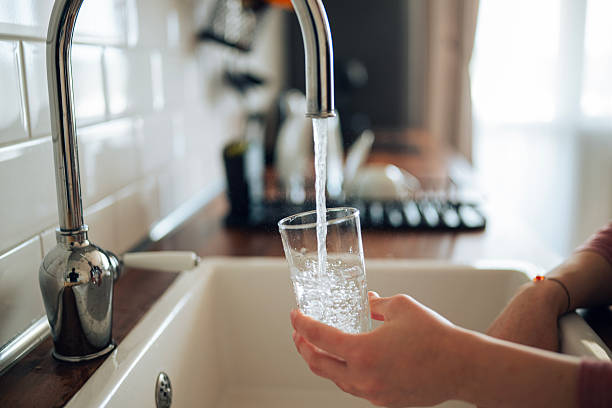
Some homeowners notice that taps sputter when first opened. Instead of producing a steady stream, the tap may release bursts of water mixed with air before normal flow returns.
Trapped air can sometimes make water pressure appear inconsistent, although it is not always the underlying cause. A pocket of air can interrupt smooth water movement through particular sections.
You may notice stronger flow at certain times and weaker flow at others. The effect depends on where the air is trapped and how water moves through your plumbing system.
Persistent pressure problems should not automatically be blamed on air. Blocked pipes, faulty pressure regulators, leaking plumbing, supply problems, or issues with the mains can produce similar symptoms.
Sputtering taps are especially common after plumbing repairs, renovations, or interruptions to the water supply. When pipes have been emptied or partially drained, air can enter during the process.
Once the water supply is restored, the incoming water pushes this air through the system. As the air reaches taps, showers, or other outlets, it can produce spluttering.
Usually, the problem settles as the air leaves the pipework. Opening suitable taps gradually can help release trapped air, although persistent symptoms may require professional plumbing advice.
Yes, trapped air can contribute to several unusual plumbing noises. Bubbling, banging, humming, vibrating, and knocking sounds may occur when water pushes against pockets of air.
The noise can become more noticeable when taps are opened or closed quickly. Sudden changes in water movement can cause air pockets and pipes to react unexpectedly.
However, unusual sounds can have other causes too. Loose pipework, high water pressure, worn valves, or water hammer can create similar noises and should be considered.
Air can become trapped in many parts of a household plumbing system, but high sections of pipework are particularly susceptible. Bends and vertical sections can also collect air.
Hot water systems may experience air-related issues around certain components, especially where pipework rises before reaching taps or appliances. Radiators can also experience trapped air separately from water pipes.
Complex plumbing layouts provide more opportunities for air pockets to develop. Homes with extensions, converted rooms, or older plumbing alterations may contain pipework with unusual routes and gradients.
A temporary interruption can definitely increase the likelihood of air entering household plumbing. When the supply stops, pressure inside pipes changes and some sections may partially drain.
When the supply returns, water enters the system again and pushes air through the pipework. This can cause temporary spluttering, unusual noises, and inconsistent flow from some outlets.
Most minor air pockets disappear naturally once water circulates normally. If symptoms continue for a long period, however, there may be another plumbing issue requiring investigation.
For minor cases, homeowners can sometimes allow trapped air to escape naturally by opening appropriate taps gradually. Running water through affected outlets can help clear pockets from pipework.
It is generally sensible to start with a tap that is easy to monitor rather than opening several outlets aggressively. Allowing water to flow steadily can help move air safely.
If the problem does not improve, avoid repeatedly manipulating valves or dismantling plumbing components without understanding the system. A qualified plumber can identify the location and cause more safely.
Occasional bubbling or sputtering after maintenance is usually not a major concern. Temporary symptoms often disappear once air has worked its way through the plumbing.
Repeated problems deserve more attention, particularly when unusual noises occur alongside low pressure, leaks, temperature changes, or consistently poor water flow from several outlets.
A professional inspection can determine whether trapped air is genuinely responsible. Identifying the actual cause prevents homeowners from overlooking problems such as damaged pipes, faulty valves, or persistent leaks.
Good plumbing installation can reduce the likelihood of persistent air pockets. Proper pipe gradients, sensible routing, secure connections, and correctly positioned fittings all help water move efficiently.
Regular maintenance can also identify leaks, damaged valves, and ageing components before they create larger problems. Keeping plumbing systems in good condition reduces many avoidable disruptions.
If air repeatedly becomes trapped despite normal water use, it is worth investigating why. The pattern may indicate an underlying installation or pressure issue rather than simple temporary air.
Understanding how water moves through your household plumbing makes unusual symptoms easier to recognise. Air pockets are only one possible explanation for changes in flow, pressure, or plumbing sounds.
Knowing where your stopcock, valves, major appliances, and accessible pipework are located can also help you respond appropriately when plumbing problems occur unexpectedly.
Ultimately, trapped air is often temporary and harmless. However, persistent symptoms should not be ignored, because they may indicate another problem that requires proper diagnosis and professional attention.

This post has been authored and published by one of our premium contributors, who are experts in their fields. They bring high-quality, well-researched content that adds significant value to our platform.












Plumbing Guide provides practical plumbing tips, helpful guides, maintenance advice, and easy-to-understand information for homeowners and DIY enthusiasts.