A drain can smell unpleasant even when water disappears quickly. Normal drainage only shows that water can pass through, not that the pipe itself is completely clean.
Organic material, bacteria, grease, soap residue, and trapped debris can remain inside pipes. Over time, these materials may produce unpleasant smells without causing obvious blockages.
Sometimes, the problem develops deeper inside the drainage system where household cleaning cannot easily reach. This makes the smell noticeable while everyday water flow remains unchanged.
Understanding the source is important because simply pouring more water down the drain may temporarily reduce odours without addressing the underlying cause or preventing them.
Drain pipes regularly collect tiny amounts of food particles, hair, soap, skin cells, grease, and other organic material. These substances can gradually create an unpleasant environment.
Bacteria feed on organic residue inside pipes, producing gases that may travel upwards through the drain opening. The stronger the buildup, the more noticeable these smells become.
Bathroom drains often experience this issue because soap, shampoo, hair, and body oils can combine inside the pipe. Water still flows normally despite this hidden accumulation.
Kitchen drains can develop stronger odours because fats, oils, food particles, and cleaning products frequently enter the plumbing system. Regular maintenance helps reduce this residue significantly.
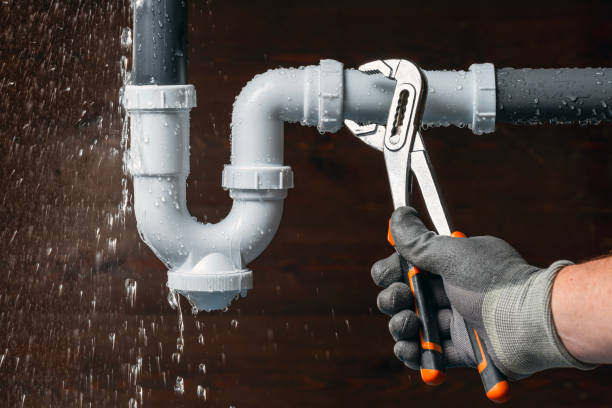
Every household drain normally relies on a water trap to prevent unpleasant gases from travelling back through the pipe and entering the room.
When a trap becomes dry, especially in an unused sink or floor drain, there may be little water available to block gases effectively from entering indoors.
A damaged trap can create a similar problem. Cracks, loose connections, or incorrect installation may allow smells to escape even though water continues flowing normally.
Unused bathrooms, utility rooms, guest rooms, and rarely accessed drains deserve particular attention because evaporation can gradually remove protective water from their traps.
Soap scum can stick to the inner surfaces of bathroom pipes, creating a rough layer where hair, dirt, bacteria, and other organic materials can accumulate easily.
Kitchen grease behaves similarly, particularly when hot oils enter the drainage system and later cool. The grease can coat pipe walls and hold food particles against them.
These deposits do not necessarily create immediate drainage problems. A pipe can remain wide enough for water while still containing enough residue to produce persistent unpleasant smells.
Over time, the buildup may become thicker and more difficult to remove. Addressing residue early can therefore help prevent both odours and future drainage restrictions.
Household drainage systems depend on ventilation to maintain appropriate air pressure throughout the pipe network. Poor ventilation can sometimes allow unpleasant gases to move towards indoor spaces.
A blocked or damaged vent may affect pressure inside drainage pipes. In some situations, this can contribute to unusual smells even when individual sinks continue draining normally.
Ventilation issues are often less obvious than surface blockages because there may be no standing water, slow drainage, or visible signs around the affected fixture.
If several drains begin smelling at roughly the same time, the problem may involve the wider drainage system rather than one particular sink or bathroom fixture.
Warm temperatures can make drain odours more noticeable because heat encourages bacterial activity and can increase the release of unpleasant gases from organic deposits.
During hotter periods, residue inside pipes may break down more quickly. This can create stronger smells, particularly where grease, food waste, or soap buildup already exists.
Dry weather can also increase evaporation from traps, especially in rarely used drains. Once the protective water barrier becomes low, drainage gases may enter rooms more easily.
Keeping infrequently used drains supplied with water can help maintain their protective trap. Regular cleaning can also reduce the organic material responsible for stronger smells.
Regularly flushing drains with suitable amounts of water can help move loose residue through the plumbing system. This is especially useful for drains used infrequently.
Avoid putting cooking fats, oils, coffee grounds, food scraps, and other unsuitable materials down kitchen sinks. These substances can stick inside pipes and contribute to persistent odours.
Bathroom users can reduce buildup by removing visible hair and cleaning drain covers regularly. Small maintenance habits often prevent larger accumulations from developing deeper inside plumbing.
For persistent smells, professional inspection may be worthwhile. A plumber can investigate traps, pipe connections, ventilation, hidden buildup, and other causes that household cleaning may overlook.
An occasional smell may result from minor residue, but persistent or increasingly strong odours deserve closer attention. They can indicate problems hidden deeper within the drainage system.
Professional help becomes particularly useful when several drains smell simultaneously, unusual sounds occur, traps repeatedly dry out, or cleaning provides only temporary improvement.
A qualified plumber can inspect accessible components and identify whether the issue involves buildup, damaged pipework, ventilation, traps, or another part of the drainage system.
Ignoring persistent smells may allow underlying plumbing problems to worsen. Early investigation can often identify the source before unpleasant odours develop alongside leaks or drainage difficulties.
Drain smells do not always mean a blockage exists. Water can flow normally while bacteria, grease, soap residue, damaged traps, or ventilation issues create unpleasant gases.
Simple maintenance can make a meaningful difference. Removing debris, avoiding unsuitable materials, and maintaining rarely used traps can help keep household drainage systems fresher.
It is also useful to notice when an odour appears. Changes after hot weather, periods of nonuse, cleaning, or heavy water usage can provide useful clues.
When smells continue despite sensible maintenance, professional advice is the safest option. Identifying the actual cause is more effective than repeatedly masking the odour with cleaners.

This post has been authored and published by one of our premium contributors, who are experts in their fields. They bring high-quality, well-researched content that adds significant value to our platform.












Plumbing Guide provides practical plumbing tips, helpful guides, maintenance advice, and easy-to-understand information for homeowners and DIY enthusiasts.